 Leak Detection Pro
(602) 836-3562
Leak Detection in North Mountain Village, Phoenix: A Friendly Homeowner’s Guide
A tiny drip behind a wall or under a slab can quietly waste thousands of gallons of water, pad your bills, and invite mold and structural damage long before a stain appears. For North Mountain Village homeowners in Phoenix, where many properties are built on concrete slabs and plumbing can age out of sight, early leak detection can mean the difference between a simple fix and a costly disaster. This guide covers the warning signs, how professionals pinpoint problems without tearing up your home, and what to expect when it comes to price.
Key Takeaways for Phoenix Homeowners
- Concrete Slab Vulnerability: Most homes in North Mountain Village, Moon Valley, and Sunnyslope are built on concrete slabs where pipes are buried beneath foundation concrete.
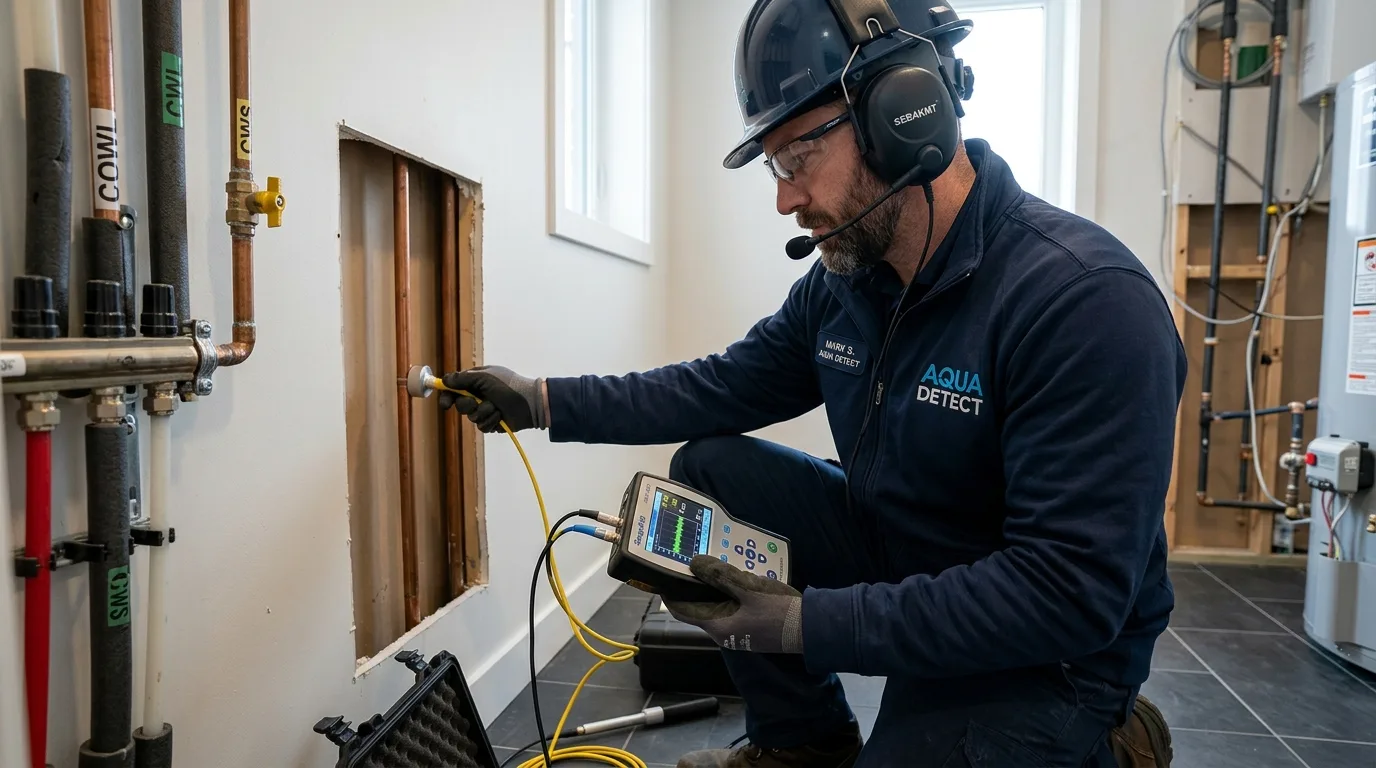
- Non-Invasive Diagnostics: Modern pros use acoustic ground microphones, FLIR thermal imaging, and digital moisture meters to locate leaks within inches.
- Gas Leak Protocol: Rotten-egg odors or hissing gas lines require immediate outdoor evacuation and calls to 911 / Southwest Gas.
- Transparent Pricing: Always request a written diagnostic estimate and verify whether itemized insurance reports are included.
Why Hidden Leaks Matter in North Mountain Village
Plumbing doesn’t last forever. Corrosion, shifting soil, and worn fittings can cause slow leaks that go unnoticed for months. Because many Arizona homes have pipes running through or beneath the foundation, a leak can stay hidden for a long time. The damage is gradual at first, which is exactly why it gets expensive.
In North Phoenix neighborhoods—spanning the base of North Mountain, Shadow Mountain, Moon Valley, and the Peoria Avenue corridor—desert soil conditions feature hard caliche clay that shifts with seasonal monsoon moisture cycles. Combined with Phoenix’s mineral-rich hard municipal water and high summer temperatures, copper supply lines can develop pinhole pitting and subterranean friction wear. When pressurized water seeps into sub-slab soil, it can undermine foundational support, crack tile, and elevate indoor moisture levels.
Common Signs of a Hidden Leak
Concealed leaks often drop subtle hints before visible flooding occurs. Knowing what to watch and listen for helps you catch problems before drywall deteriorates or foundation settling begins.
Water Leak Warning Signs
- A water bill that climbs for no clear reason: Sudden spikes in municipal utility usage often signal continuous pressurized pipe leakage.
- Damp spots, peeling paint, or musty smells: Moisture trapped behind baseboards or drywall creates peeling paint and persistent earthy odors.
- The sound of running water when everything is switched off: Faint hissing or rushing sounds behind walls indicate an active water flow.
- Warm patches on the floor: Walking barefoot across tile or laminate and feeling an isolated warm zone points to a leaking hot water line under the slab.
Gas Leak Warning Signs
- A rotten-egg smell near appliances or lines: Natural gas is odorized with mercaptan to produce a distinct sulfur smell.
- A hissing sound near gas pipes: Audible hissing near meters, flex connectors, or water heaters indicates pressurized gas escaping.
- Dead patches of grass over a buried line: Underground gas line leaks dry out soil and kill vegetation directly above the pipe path.
Immediate Emergency Safety Notice
A suspected gas leak is an emergency. Leave the building and call your gas utility or 911 from outside.
Do not operate light switches, doorbells, phones, or electrical appliances inside. Once safely outside, call Southwest Gas at (877) 860-6020 or dial 911. After the hazard is secured, call a licensed specialist for certified line pressure testing and pipe restoration.
How Professionals Find Leaks
Gone are the days when finding a concealed plumbing leak required random exploratory demolition of pristine tile floors or finished drywall. Modern specialists deploy specialized non-invasive diagnostic equipment that pinpoints leaks down to a precise radius.
Water Leak Detection
Technicians use acoustic listening devices, thermal cameras, and moisture meters to find the exact source of a leak without breaking walls open. These non-invasive methods save time, protect your finishes, and keep repairs focused on the real problem.
By isolating plumbing manifolds and tracking high-frequency sound signatures, technicians distinguish between normal valve turbulence and the distinct harmonic hiss of pressurized water escaping through a pinhole breach. Discover more about our water leak detection services or follow our step-by-step homeowner testing guide on how to detect a hidden water leak at home.

Slab Leaks
When pipes run beneath a concrete foundation, finding a leak is tricky. Specialists listen for escaping water and map the line’s path so only the affected spot needs attention. Pinpointing it first keeps repairs small and targeted.
Technicians pair electromagnetic pipe locators with high-resolution infrared thermal imaging cameras. Hot water slab leaks create a distinct radiant thermal bloom through concrete and tile, clearly visible on thermographic displays. Once mapped, the contractor can perform a surgically targeted direct repair or plan a seamless overhead PEX reroute. Learn more in our detailed slab leak detection guide.

Gas Lines
Sensitive electronic detectors can spot even tiny amounts of escaping gas. For larger properties or older systems, gas leak survey companies can inspect an entire network of lines and document the results.
Digital parts-per-million (PPM) combustible gas sniffers detect trace gas vapors around threaded joints, water heater connectors, furnace connections, and outdoor meter risers. Precision pressure decay manometers verify that the entire line holds airtight pressure according to local Phoenix plumbing codes. Review our complete gas leak detection protocols.

What Does Leak Detection Cost?
Let’s tackle the question on everyone’s mind: how much does leak detection cost? It depends. Leak detection costs usually reflect the type of leak, how hard it is to reach, and how long the search takes. A simple under-sink check is a different job from a hunt beneath a foundation.
| Service Type | Typical Phoenix Cost | Key Pricing Factors |
|---|---|---|
| Residential Water Leak Locating | $200 – $400 | Accessibility, acoustic isolation, number of plumbing fixtures |
| Concrete Slab Leak Detection | $275 – $500 | Foundation thickness, thermal imaging mapping, sub-slab depth |
| Gas Line Sniffing & Pressure Testing | $175 – $350 | Property size, number of appliances, buried outdoor lines |
| Underground Yard / Main Service Line | $250 – $450 | Distance from meter to house, caliche soil depth, landscaping |
Factors That Affect Pricing
- Slab leaks: Slab leak detection cost tends to run higher because specialists need advanced equipment and more time. Ground microphones, thermal cameras, and line tracers must be cross-referenced to eliminate guesswork before any concrete is disturbed.
- Gas leaks: Gas leak detection cost depends on the size of the property and the number of lines inspected. A single furnace branch test is faster than inspecting complex outdoor grill lines, pool heaters, and rooftop package units.
- Search time: Leak locating cost can climb when pipes are buried, hidden behind finished walls, or hard to trace. Older custom homes with remodeled additions often require extra diagnostic tracing.
Getting a Fair Price
Always ask for a leak detection cost estimate in writing before work begins. It also helps to know whether the cost of leak detection includes a written report for your insurance company. Before agreeing to any cost for leak detection, ask whether repairs are bundled in or billed separately. A transparent provider will happily explain every line item.
In Arizona, many homeowner insurance policies cover the "tear-out and access" costs needed to find and expose a slab leak, while the physical pipe repair itself is considered routine maintenance. Having an itemized diagnostic report with precise leak coordinates and acoustic/thermal documentation makes claims processing straightforward. Read our guide on pipe leak repair options and costs.
Choosing the Right Local Help
Leak finding and leak repair are sometimes handled by different people. If a problem needs a fix, a licensed local plumber is a natural next call. Check licenses, reviews, and whether they offer warranties on their work.
In Arizona, reputable contractors maintain active licenses with the Arizona Registrar of Contractors (ROC), carry comprehensive liability coverage, and provide clear written warranties on all replacement piping and spot repairs. Working with pre-screened local specialists ensures that your home is treated with the care and precision it deserves.
Suspect a Leak? Call Your Local Team
If you notice any of the warning signs above, don’t wait for the damage to spread. Leak Detection Pro serves homeowners and property owners in North Mountain Village and across Phoenix, AZ.
Call: (602) 836-3562
Visit: 2810 W Sahuaro Dr, Phoenix, AZ 85029
Frequently Asked Questions
What are the early signs of a hidden water leak in North Mountain Village?
Common warning signs include an unexplained increase in your municipal water bill, spinning leak indicators on your water meter, warm spots on tile or laminate floors, damp drywall or peeling baseboard paint, and the sound of trickling water when all fixtures are turned off.
What should I do if I suspect a natural gas leak in my home?
A suspected gas leak is an immediate life-safety emergency. Do not operate light switches, doorbells, or mobile phones inside. Evacuate all occupants and pets immediately, and call Southwest Gas at (877) 860-6020 or dial 911 from outside. Once the utility has safely isolated the meter, contact a licensed professional for electronic line testing.
How do technicians find slab leaks without breaking through concrete?
Technicians use ultrasonic acoustic ground microphones, frequency-filtered amplifiers, and FLIR infrared thermography cameras. These instruments detect the harmonic hiss of pressurized escaping water and thermal heat blooms radiating through concrete, mapping the exact coordinates before any surgical access begins.
What factors affect leak detection pricing in Phoenix?
Pricing depends on whether the issue is a fresh water supply line, concrete slab leak, or combustible gas piping, as well as property size, pipe accessibility, depth under concrete or landscaping, diagnostic search time, and whether an itemized insurance documentation report is required.